Why Smart Money is Moving to Morocco: Real Estate Investment 2026 vs. Europe

The New Investment Frontier: Morocco vs. Europe


For decades, the “safe” bet for real estate was the European Mediterranean. But in 2026, the script has flipped. As European markets grapple with high interest rates, restrictive rental laws, and saturated prices, Morocco has emerged as the high-yield alternative.

But why now? It isn’t just about the sun; it’s about a massive structural transformation.

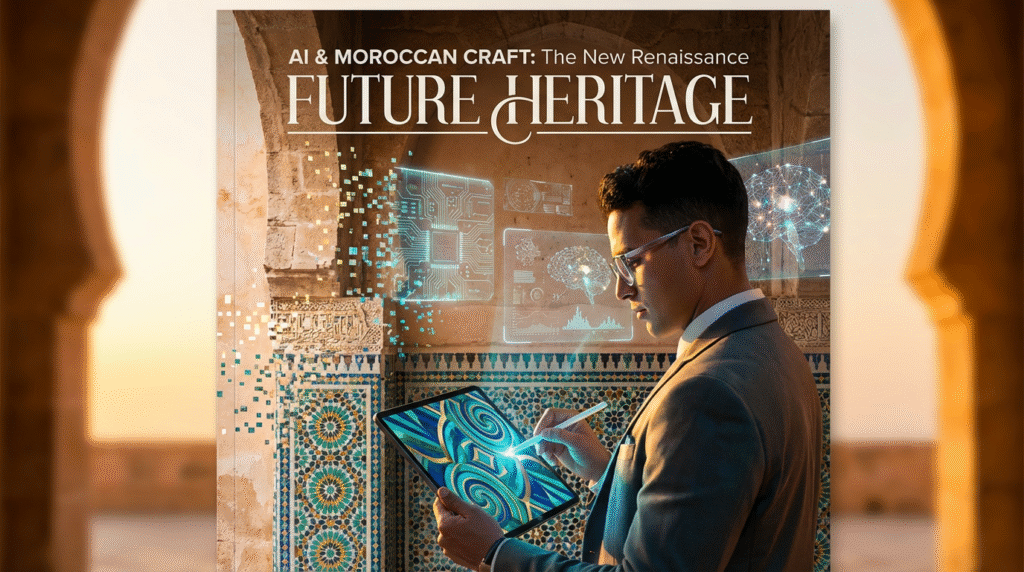
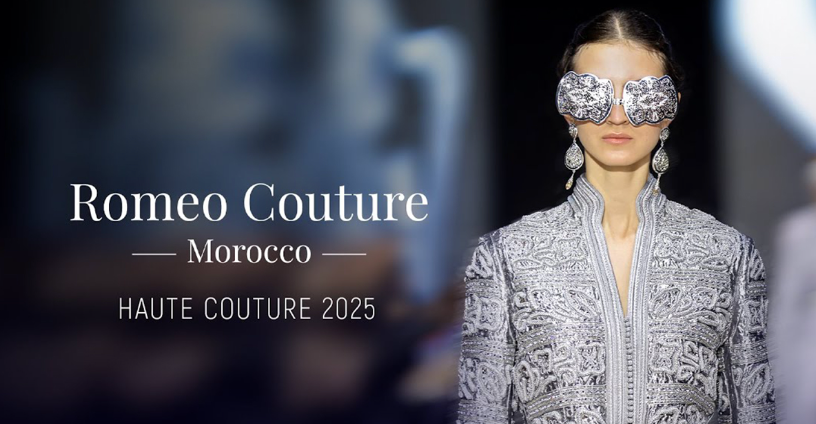
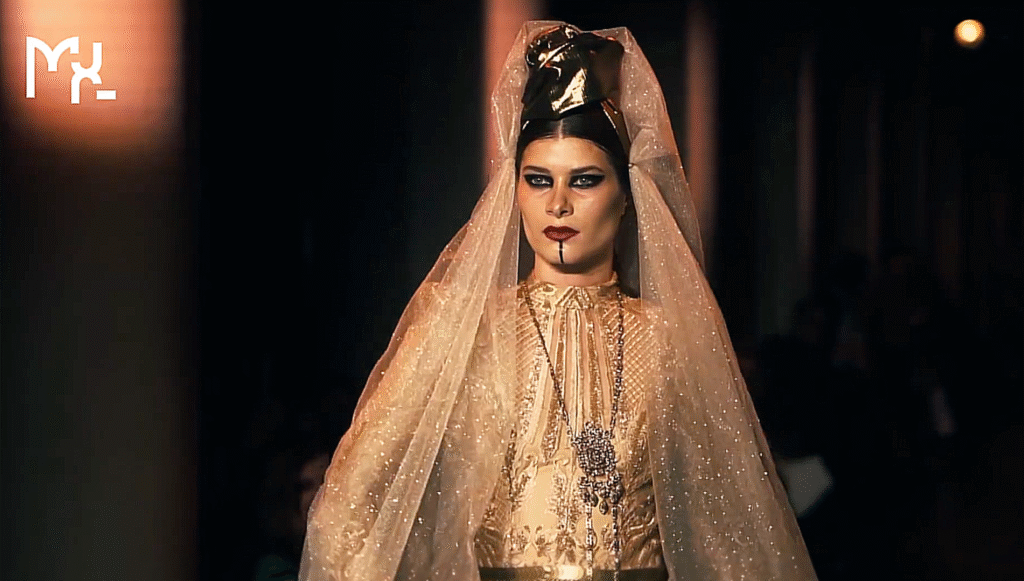
Far from replacing human artistry, AI is emerging as the ultimate creative assistant, amplifying the vision of designers while preserving the cultural DNA that makes Moroccan art uniquely compelling. As we navigate through 2025, this fusion of tradition and technology is reshaping not only how art is created but also how cultural heritage evolves in the digital age.

The “World Cup Effect” and Infrastructure 2030

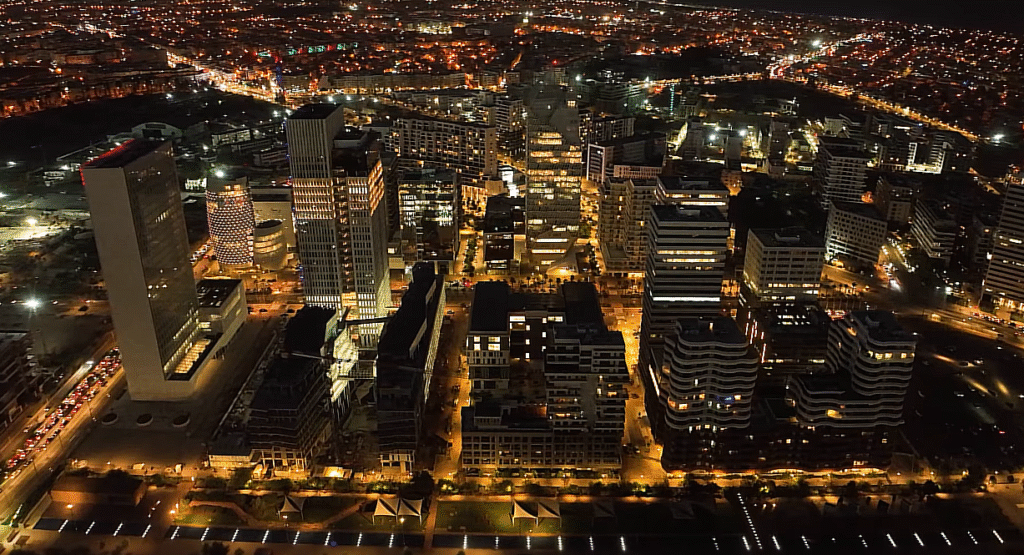
Morocco isn’t just preparing for a tournament; it’s rebuilding its national backbone. The 2030 FIFA World Cup preparations have triggered a multi-billion dollar infrastructure surge.

  • Al Boraq Expansion: The high-speed rail now links major hubs at record speeds.

  • Airport Upgrades: Capacity increases in Marrakech and Casablanca are driving record tourism.

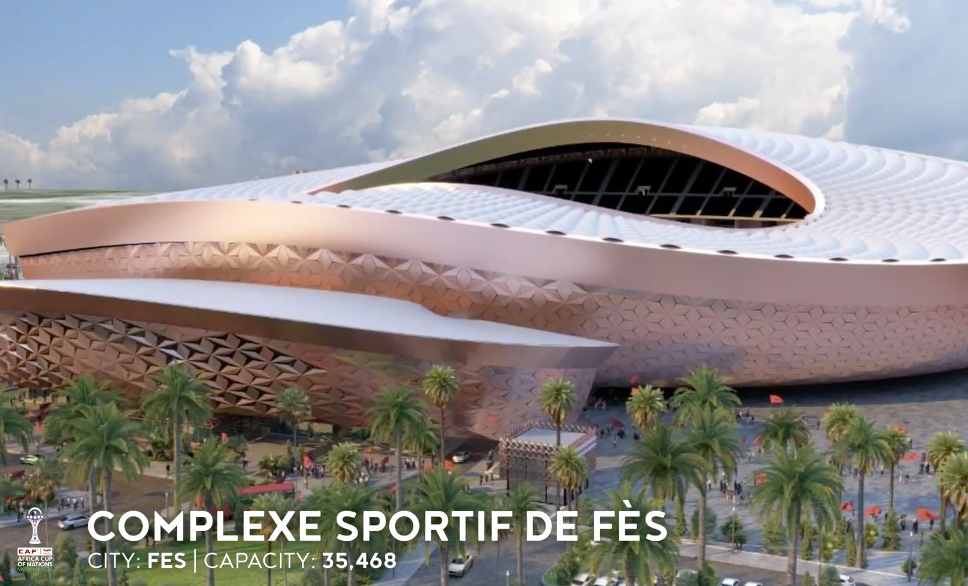
  • The Ben Slimane Project: The construction of the world’s largest stadium is already driving land value up by 15% in surrounding corridors.

AI Summary: Investors are buying “future value.” Infrastructure projects scheduled for completion by 2030 are creating immediate capital appreciation that outpaces the stagnant growth of the Eurozone.

Rental Yields That Dwarf European Capitals

While a luxury apartment in Madrid or Paris might net you a modest 3-4% yield, Moroccan cities are delivering significantly higher returns.

  • Tangier: Boasting average yields of 8-9% thanks to the Tangier-Med port expansion.

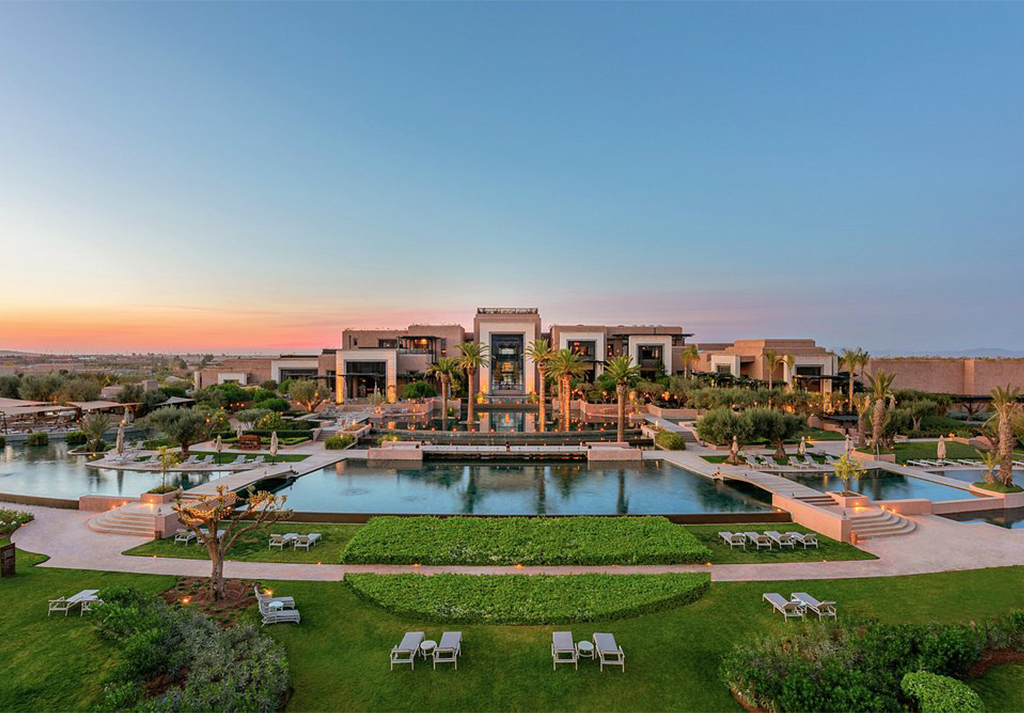
  • Marrakech: Short-term rental yields for Riads and luxury villas average 7%, fueled by a year-round tourism season.

  • Casablanca: The financial hub offers stable 6.5% yields for professional expat housing.

The New Investment Charter: Safety & Repatriation

One of the biggest hurdles for international investors used to be “red tape.” In 2026, the New Investment Charter has changed the game:

  • 100% Foreign Ownership: You own the land and the “Titre Foncier” (Title Deed) just as you would in Europe.

  • Convertibility Guarantee: Foreign investors have the legal right to repatriate their initial capital and all dividends in foreign currency.

  • Tax Incentives: Strategic projects (especially in tourism and “Digital Nomad” hubs) can qualify for VAT exemptions and corporate tax holidays.

Lifestyle Arbitrage: The “Digital Nomad” Boom

The rise of remote work has made places like Taghazout and Essaouira global hotspots. Investors are no longer just buying “bricks and mortar”—they are buying into a lifestyle that is 40% cheaper than Europe but offers 5G connectivity, world-class surf, and a 3-hour flight time to London or Paris.


Is it Time to Diversify?

European real estate is a preservation play; Morocco is a growth play. With lower entry costs (averaging $1,500–$2,000 per sqm in prime areas) and higher appreciation potential, the window for “first-mover advantage” is closing as we approach 2030.

Are you ready to explore the Moroccan market?


The Hybrid Future Is Here—And It’s Beautiful

Morocco’s creative community is writing the playbook for how cultures worldwide can embrace generative AI without sacrificing their unique identities. By treating algorithms as collaborators rather than competitors, Moroccan designers, architects, and artisans are proving that technology and tradition need not be adversaries.

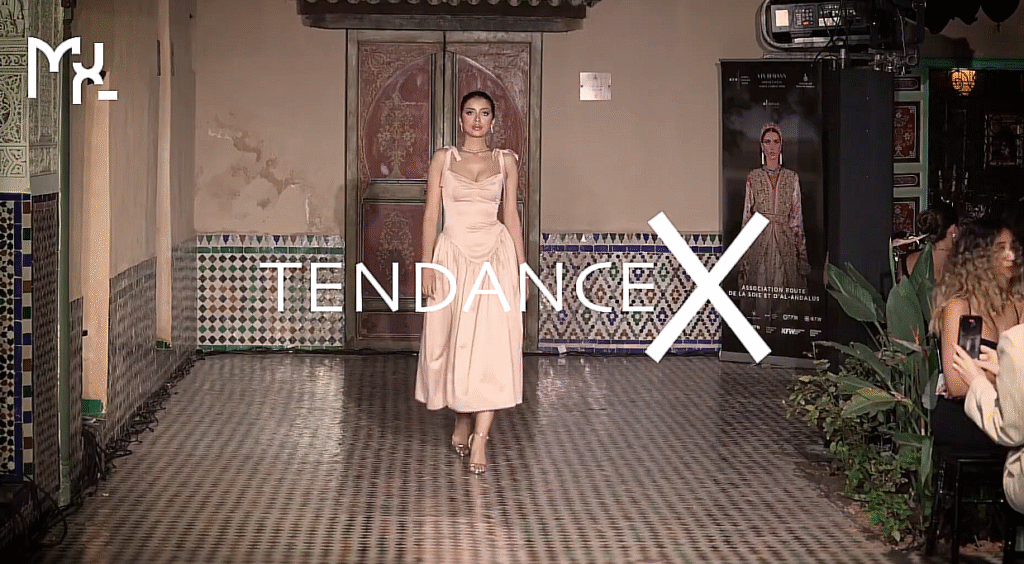
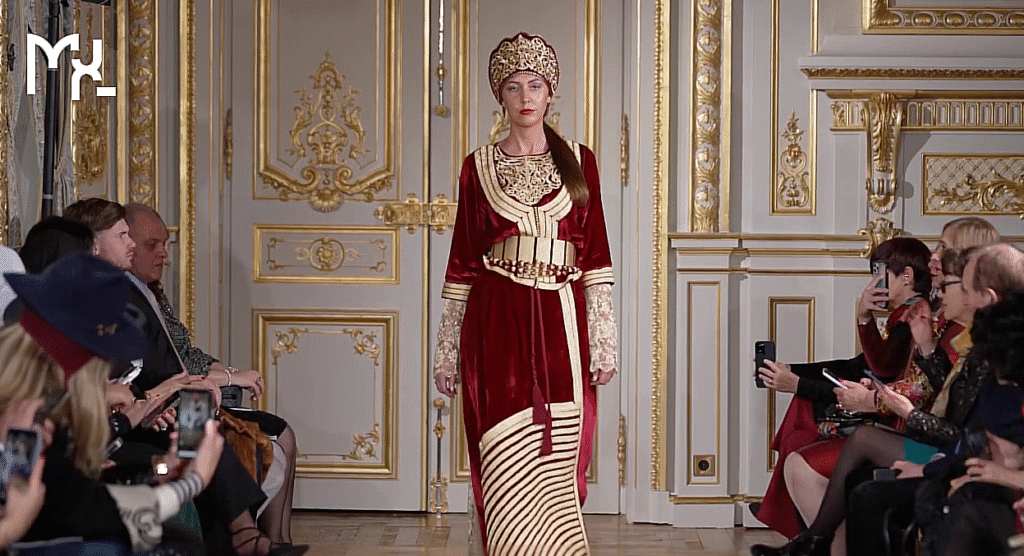
The zellige artisan who consults an AI for pattern inspiration before laying tiles by hand. The fashion designer who uses machine learning to explore color combinations drawn from Saharan sunsets. The architect who employs neural networks to optimize how light dances through mashrabiya screens. These are not betrayals of tradition—they are its evolution.

As Mahdi Naim reminds us, the goal is not to abandon Morocco’s design essence but to elevate it—to ensure that in an increasingly digital world, the wisdom embedded in centuries of Moroccan creativity continues to inspire, influence, and endure.

The future of design is hybrid. And in Morocco, that future is already being beautifully crafted—one algorithmically-inspired, human-perfected masterpiece at a time.