How AI Tools Are Transforming Moroccan Creative Workflows
1. Pattern Generation & Zellige Modernization
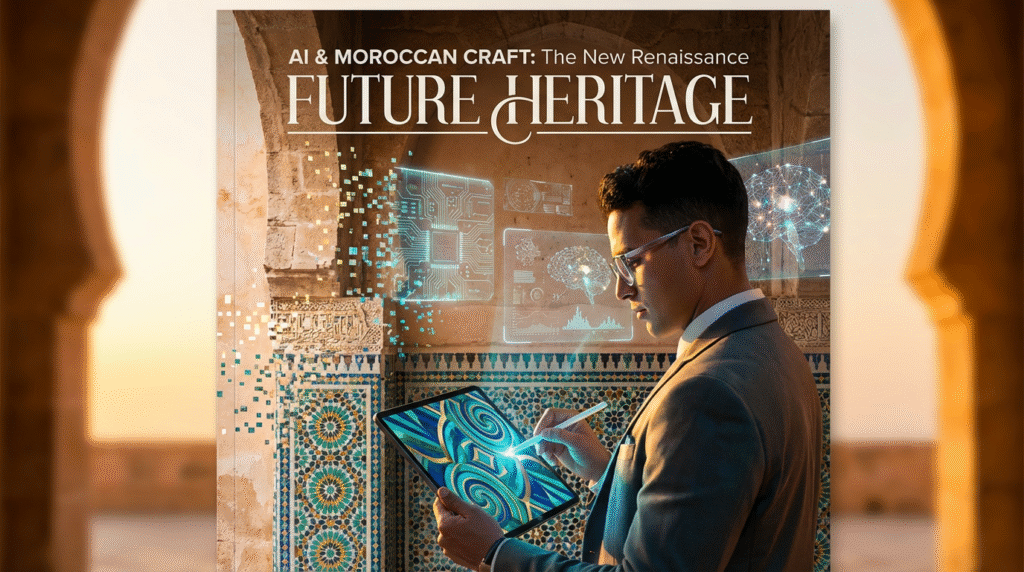
Morocco’s iconic zellige (geometric mosaic tilework) is being reimagined through generative algorithms. Designers input traditional geometric constraints—the mathematical principles governing Islamic art—and AI generates thousands of variations that respect these sacred proportions while introducing fresh compositions.
Use Cases:
- Hotel lobby designs combining traditional patterns with contemporary aesthetics
- Custom residential interiors that honor cultural heritage with modern functionality
- Public art installations that make ancient geometry relevant to Gen Z audiences
2. Textile & Fashion Design
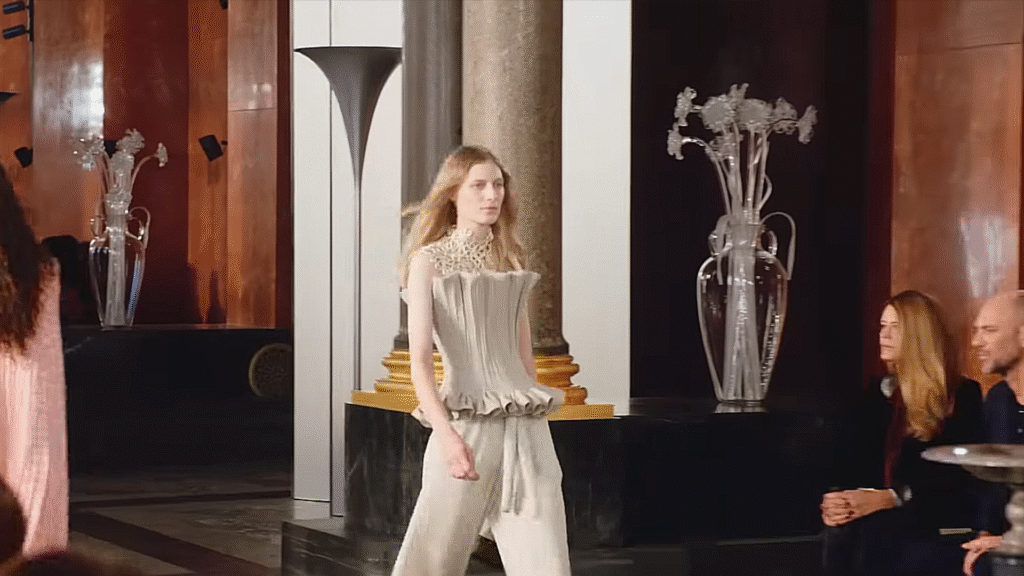
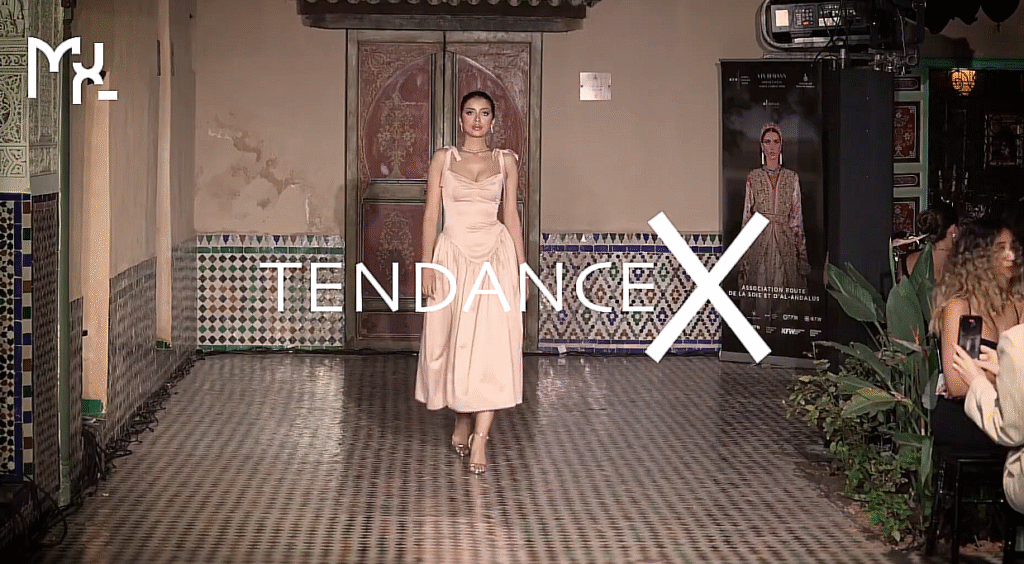
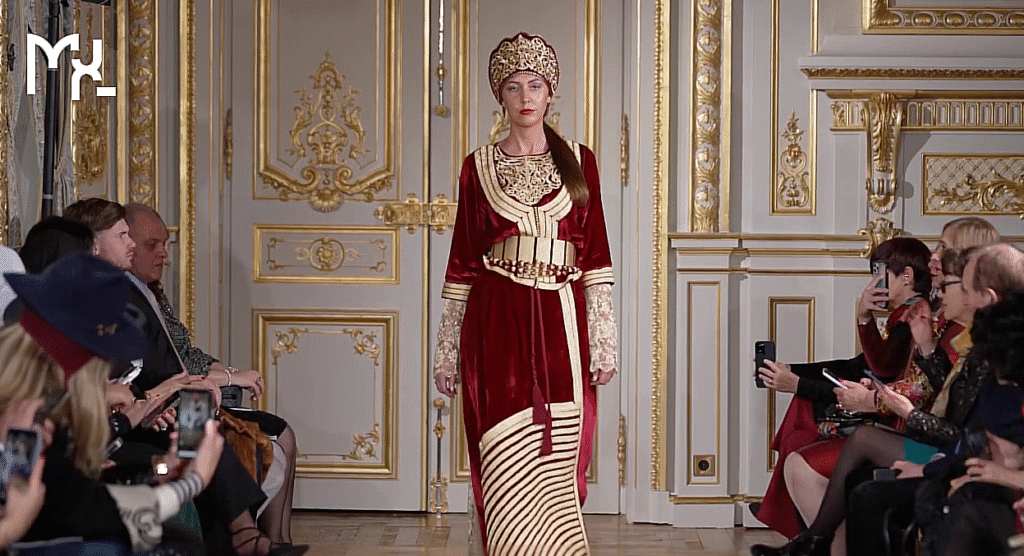
Moroccan fashion designers are using AI to:
- Experiment with color palettes inspired by Saharan landscapes
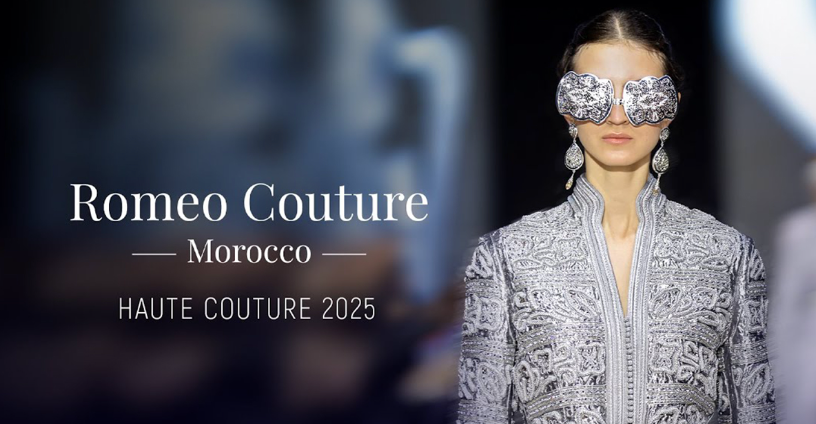
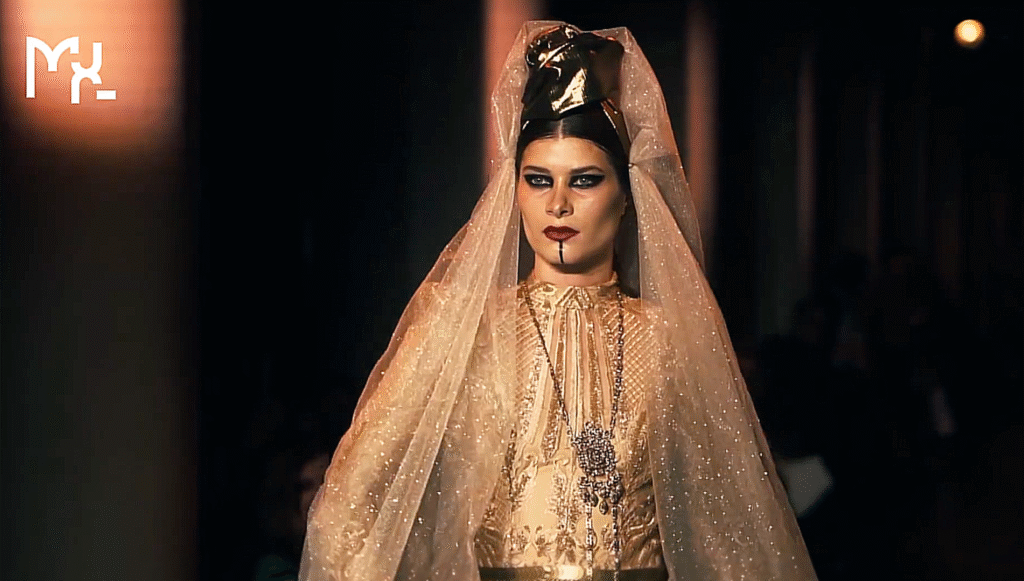
- Generate textile patterns that fuse Berber motifs with contemporary graphic design
- Create digital prototypes rapidly, reducing material waste in the design phase
The sustainable advantage is significant: by testing hundreds of design variations digitally before committing to physical production, designers minimize textile waste—a critical concern in the fashion industry.
3. Architectural Visualization & Space Planning
Neuro-architecture—the science of designing spaces that optimize human cognitive and emotional well-being—is being enhanced by AI in Morocco:
- Predictive space analysis uses behavioral data to optimize room layouts
- AI-generated lighting simulations test how natural and artificial light will interact with Moroccan architectural elements
- Generative floor plans explore thousands of configuration options within minutes
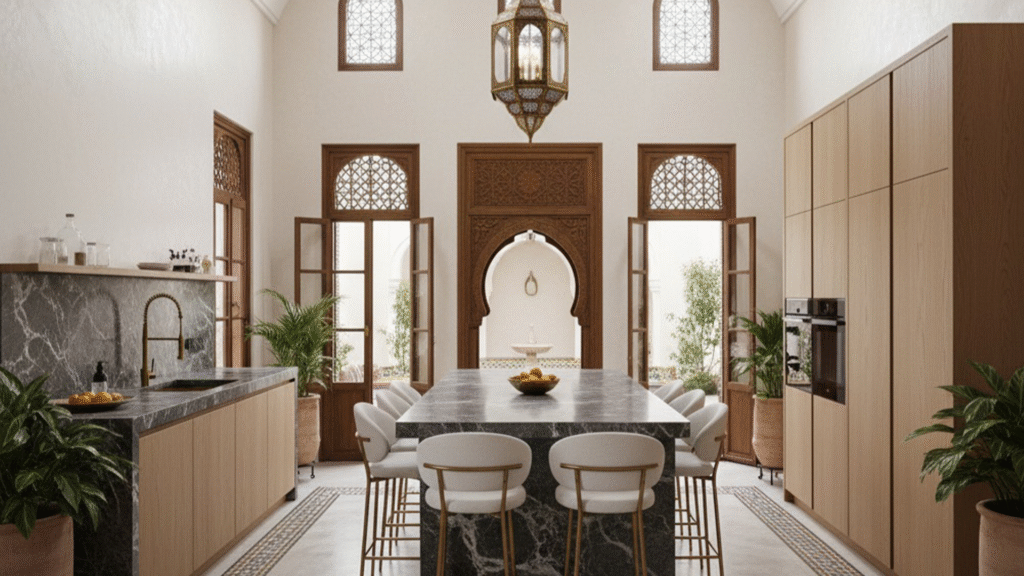
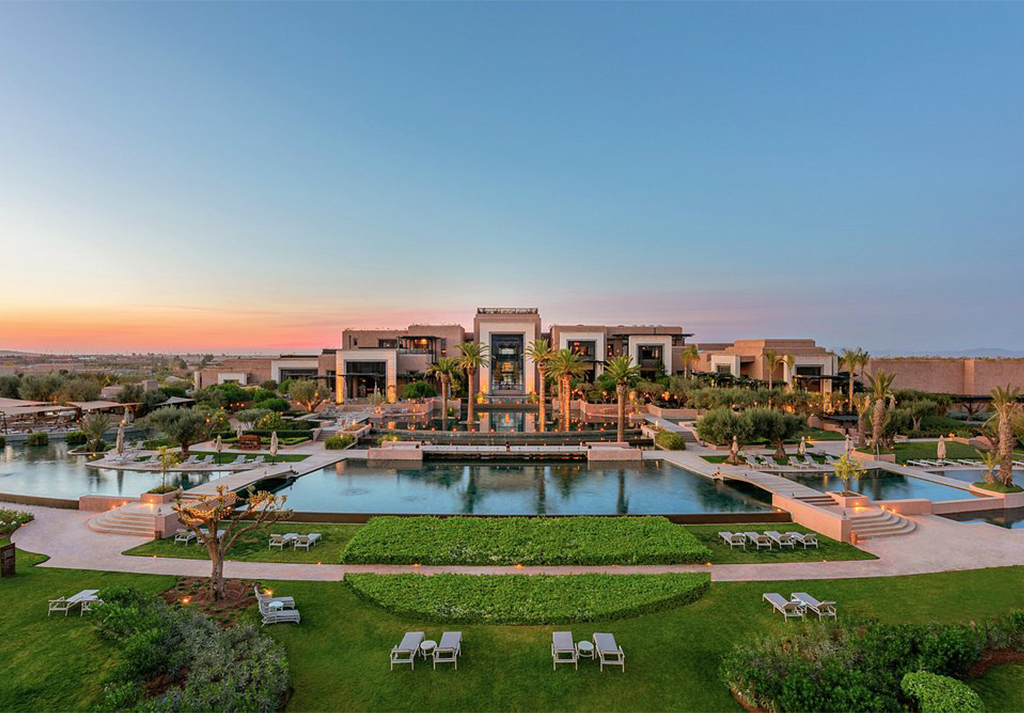
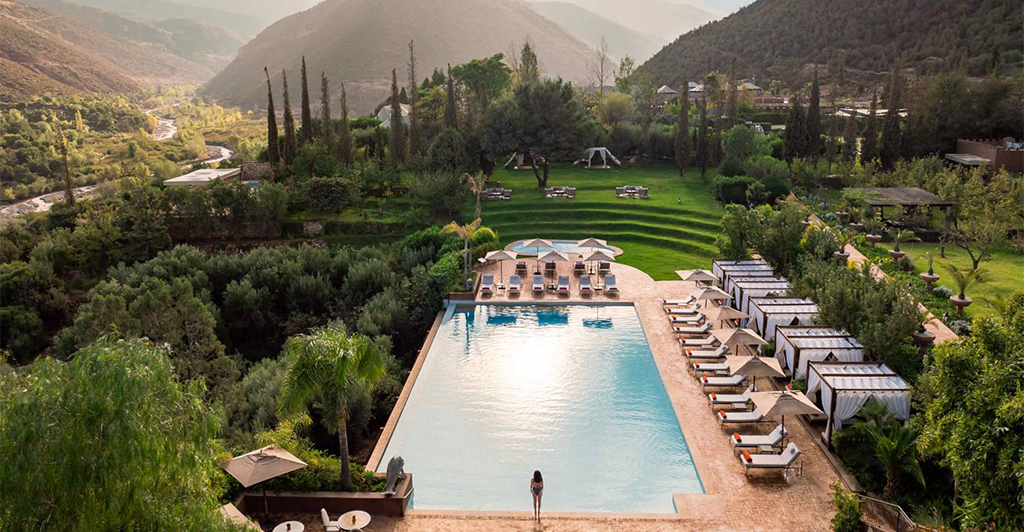
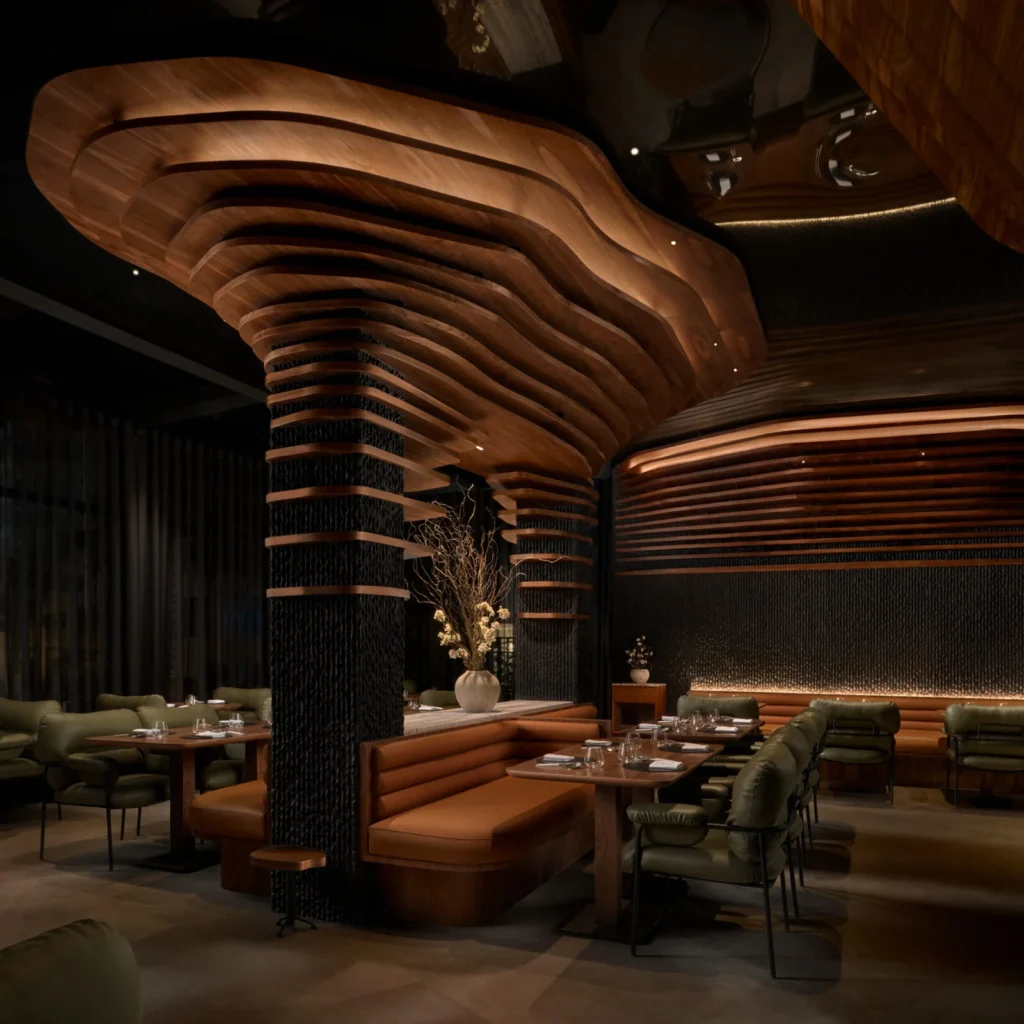
This approach is particularly valuable in Morocco’s hospitality industry, where riads and boutique hotels must balance authentic architectural integrity with modern guest expectations.
The Philosophical Dimension: Morocco’s Mosaics as AI Blueprint
In a thought-provoking Forbes article, Cornelia Walther draws a profound parallel between traditional Moroccan zellige and the future of hybrid AI systems.
Zillij as Algorithmic Architecture
Just as individual mosaic tiles must be perfectly crafted to create a unified whole, AI systems require:
- Precision in individual components (clean data, ethical training sets)
- Unity in diversity (integrating multiple data sources harmoniously)
- Embedded values (programming regenerative, sustainable outcomes into core algorithms)
Walther argues that Morocco’s centuries-old tradition of embedding philosophical and mathematical wisdom into physical spaces offers a model for how we should design AI systems—not merely for efficiency, but for wisdom, harmony, and regenerative impact.
“Just as geometric constraints govern the physical arrangement of the mosaic, fundamental regenerative constraints can be embedded into core algorithms.”
This perspective positions Moroccan design philosophy not as something threatened by AI, but as a template for humanizing artificial intelligence itself. Forbes
Challenges & Ethical Considerations
While the integration of AI into Moroccan creative practice offers immense opportunities, it also raises important questions:
1. Cultural Authenticity vs. Algorithmic Homogenization
The Risk: If AI systems are trained primarily on Western design datasets, will they dilute the distinctiveness of Moroccan visual language?
The Solution: Moroccan artists are addressing this by:
- Creating proprietary datasets focused exclusively on Maghrebi design traditions
- Collaborating with cultural institutions to digitize historical archives
- Maintaining human oversight at every stage of the creative process
2. Economic Impact on Traditional Artisans
The Concern: Will AI-generated designs reduce demand for human craftspeople?
The Reality: So far, the opposite is proving true. Projects like MLRug demonstrate that AI generates designs, but artisans give them soul. The tactile, imperfect beauty of hand-knotted rugs or hand-laid zellige cannot be replicated by machines.
The most successful applications position AI as a design assistant, not a replacement—freeing artisans from repetitive tasks so they can focus on the masterful execution that defines Moroccan craft.
3. Access & Digital Divide
Not all Moroccan creatives have equal access to expensive AI tools or high-speed internet infrastructure required for cloud-based generative systems.
Emerging Solutions:
- MoroccoAI, an initiative promoting AI education and access across the country
- Local tech communities offering workshops on open-source AI tools
- Government initiatives positioning Morocco as a North African AI hub
Global Implications: Morocco as a Model for AI-Enhanced Cultural Preservation
Morocco’s approach to generative AI offers valuable lessons for the global creative community:
1. Technology Can Amplify, Not Erase, Cultural Identity
Rather than viewing AI as a threat to tradition, Moroccan creatives demonstrate how it can make cultural heritage more accessible, adaptable, and relevant to contemporary audiences.
The most compelling work emerging from Morocco combines:
- Algorithmic efficiency (rapid iteration, pattern exploration)
- Human intuition (cultural knowledge, aesthetic judgment)
- Artisan skill (physical execution, material mastery)
This hybrid intelligence produces results neither human nor machine could achieve alone.
3. Values-Embedded Design
By consciously programming AI systems with values—sustainability, cultural respect, community benefit—Moroccan designers are pioneering what we might call “conscious AI”—technology designed not just to optimize outputs, but to optimize for human and environmental flourishing.
The Future: What’s Next for Moroccan AI-Powered Creativity?
As we move deeper into 2025, several trends are emerging:
1. AI-Enhanced Craft Education
Morocco’s design schools are beginning to integrate AI literacy into traditional craft curricula. Students learn zellige mathematics alongside neural network architecture, understanding both as complementary forms of pattern logic.
2. Virtual Galleries & NFT Markets
Moroccan digital artists are entering the NFT and digital collectibles market, creating blockchain-authenticated artworks that blend traditional motifs with generative aesthetics. This creates new revenue streams while introducing global audiences to Moroccan visual culture.
3. Collaborative AI Models Trained on Moroccan Heritage
Rather than relying on Western-developed tools, Moroccan tech communities are building custom AI models trained exclusively on North African and Islamic design traditions. These culturally-specific tools will enable even more authentic generative outputs.
4. Integration with Sustainable Design Movements
Given Morocco’s leadership in renewable energy and sustainability initiatives, AI-powered design is increasingly focused on:
- Optimizing material use to reduce waste
- Generating designs that maximize passive cooling and natural lighting
- Creating circular economy solutions for traditional crafts
Practical Tips: How Moroccan Creatives Can Start Using AI Today
For Graphic Designers:
- Experiment with Midjourney or DALL-E using prompts that reference Moroccan aesthetics (“Moroccan geometric patterns,” “Berber textile motifs,” “Andalusian architecture”)
- Use Adobe Firefly to generate culturally-relevant stock imagery
- Explore ChatGPT for generating culturally-informed copywriting and brand narratives
For Interior Designers:
- Try AI space planning tools like ArchitectGPT or RoomGPT
- Use Photoshop’s generative fill to test furniture arrangements and color schemes
- Leverage 3D rendering AI (Midjourney architectural mode) to create client presentations rapidly
For Artisans & Traditional Craftspeople:
- Partner with young tech-savvy designers who can translate your craft knowledge into AI training data
- Document your work extensively (high-quality photos, process videos) to create proprietary datasets
- Explore platforms like Artbreeder to experiment with pattern variations before physical production
For Educators:
- Integrate AI ethics discussions into design curricula
- Create student projects that combine traditional techniques with AI-generated designs
- Build partnerships between craft guilds and tech communities